
Reading Memphis
City of soul. City of que. Hoop city. We can write a little, too.

Memphis is a city of song: Home of the Blues, birthplace of rock ‘n’ roll, Soulsville U.S.A. (Not that it’s a contest, mind, but our musical heritage can whip yours with Elvis tied behind our back. Think of it, the great Al Green recorded for the second-best-known soul label in town. James Carr’s “Dark End of the Street,” maybe the best soul song ever, came from the third.)
Of barbecue, too. Payne’s, Cozy Corner, Bar-B-Q Shop, Central, the Rendezvous, Tops, to name but a few. City of Pork Shoulders, with apologies to Carl Sandburg’s paean to Chicago.
And basketball, although you couldn’t prove it by this season’s Grizzlies and Tigers.
Allow me, also, to put in a word for our writers — from our late greats like Peter Taylor (“The Old Forest,” his best-known story, and the Pulitzer Prize-winning novel A SUMMONS TO MEMPHIS) to Shelby Foote (his Civil War trilogy), to those still very much with us …
Here’s a sampling from three of the latter, whom I’m fortunate to call friends. Enjoy their words. Seek out their books1. And spread the word. Memphis can’t just sing and smoke meat and cross your ass over — it can write.
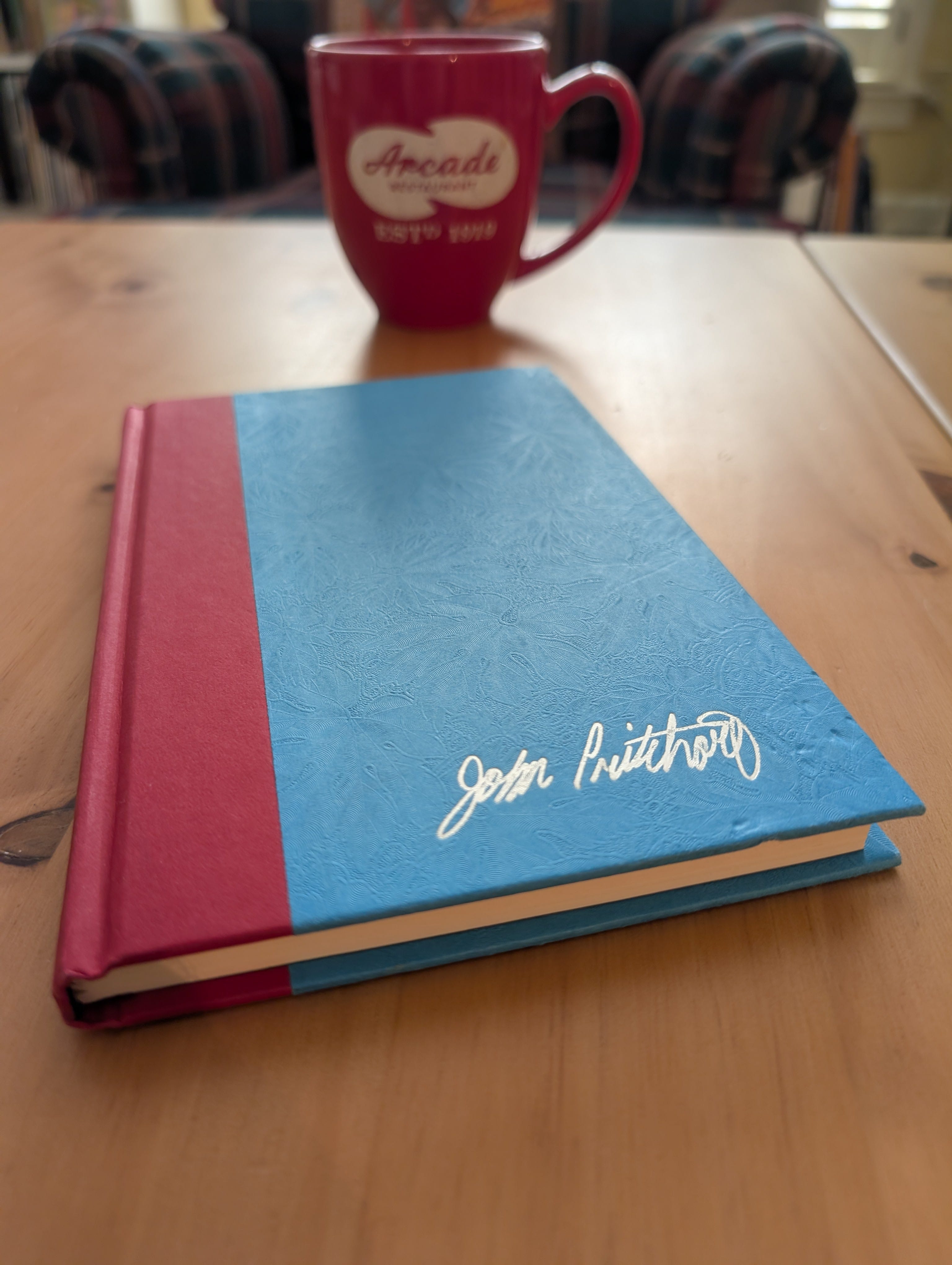
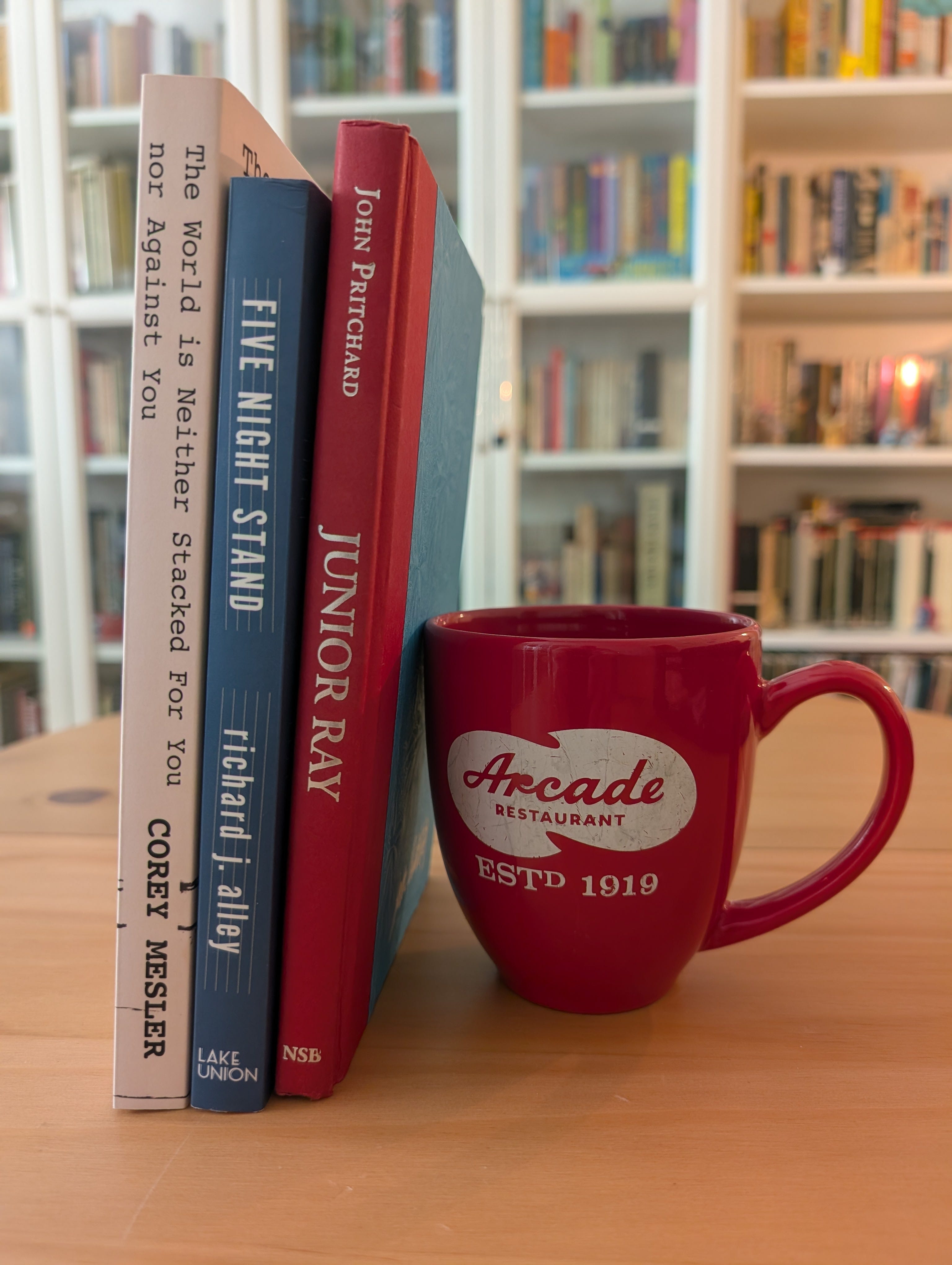
Barbecue in Meffis2 ain’t like anywhere in the world—they was a bunch of us went to Nashville one time, and we decided to try out the number-one barbecue place up there. I asked for a jumbo-all-white-pulled, and the sumbitch across the counter ast me where I was from. I said, “Meffis,” and he said, “Then why the fuk are you buyin’ barbecue in Nashville?” — John Pritchard, uncorking one of the least profane passages in his novel, JUNIOR RAY (NewSouth Books, 2005).
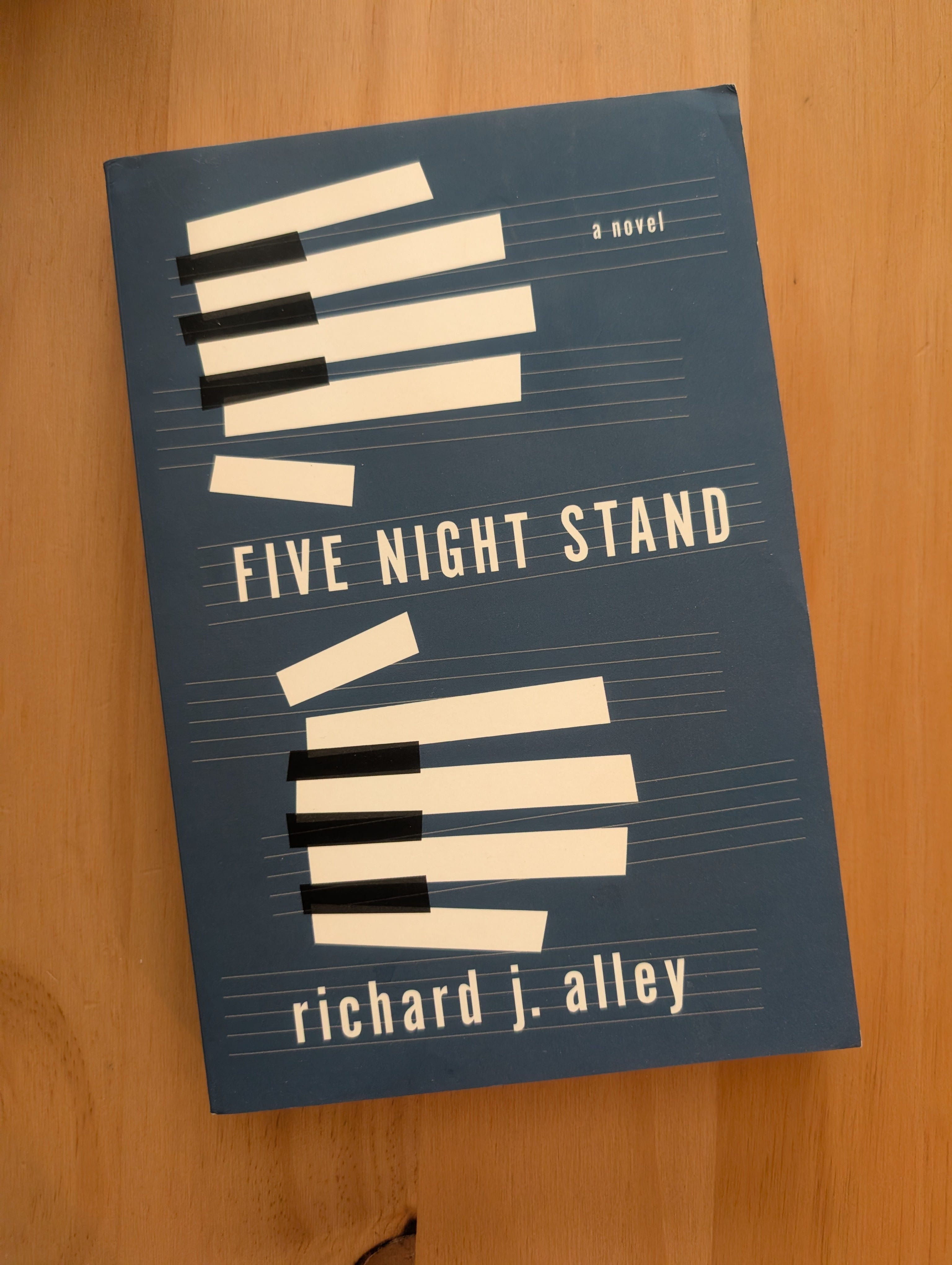
There was parties all up and down that narrow street with dice set up in the front room of one of them shotgun houses, a bar set up in the house next door, and then music callin from the third. Amen, brother. But that music could be heard all up and down the street and, I imagine, all the way to the river and back. Them houses were packed so tight together you could pass a bottle from porch to porch, or peel the paint right off a neighbor’s clapboard. That was a good time, Memphis was. — Richard J. Alley, conjuring 1937 Memphis in his jazz novel FIVE NIGHT STAND (Lake Union Publishing, 2015).
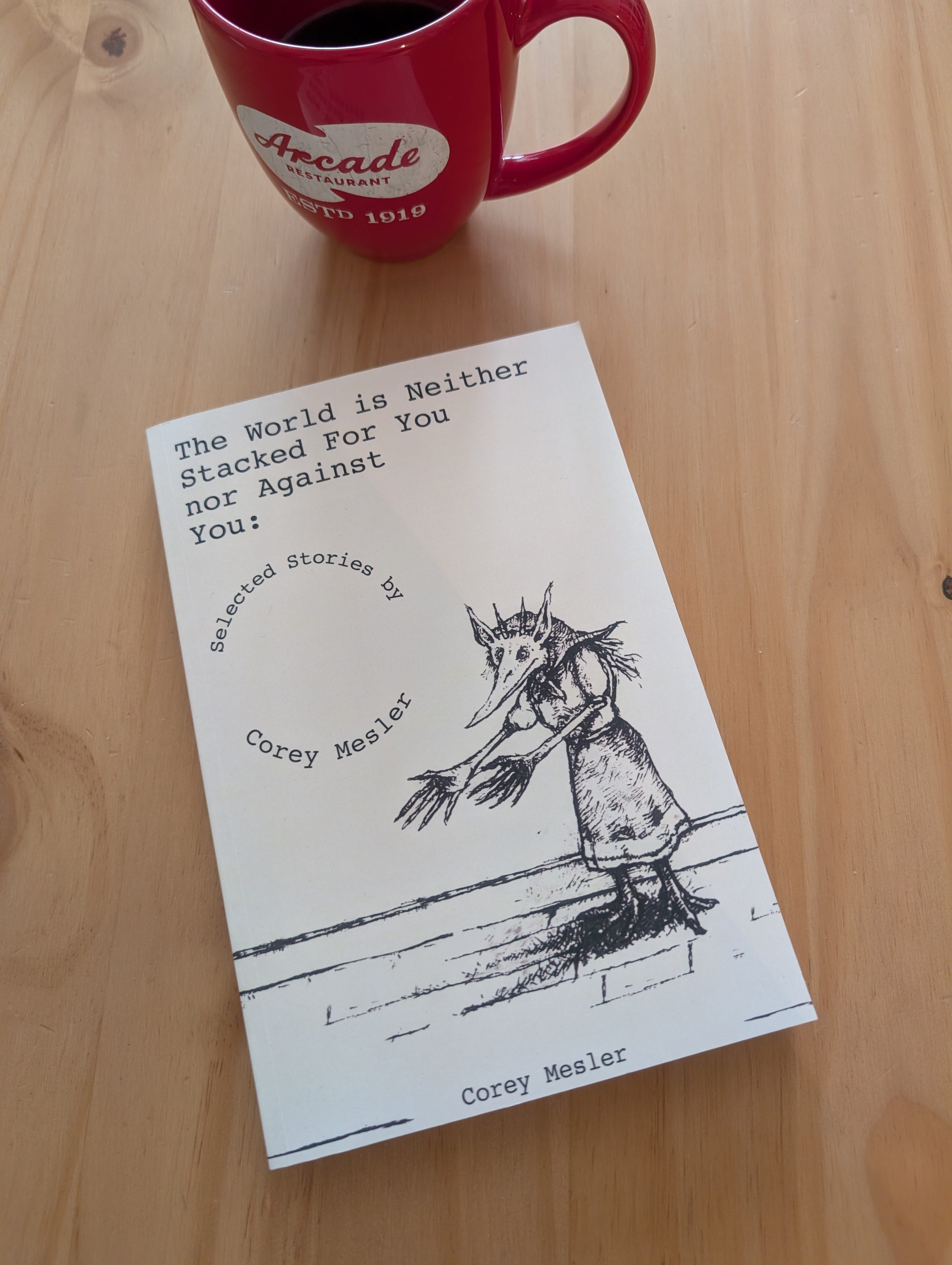
Tiny Red was from Arkansaw by way of New Orleans by way of the Orient, which is to say Tiny was a grabbag of musical inventiveness. You know him best for “Silver Dollar Pantleg Blues” and “A Frothing of Delight” and for inventing the phrase, “Your world.” But, in his day, Tiny was as hot as they come, as big as Big Bill. In his own tiny way, of course.
Tiny came to Memphis that fateful fall to scout up some talent for a travelin’ gig he was offered on the European continent. Most specifically he needed a second guitar and he heard tell of a Memphis bar rat name of Pete Holder played like the murmur of dreaming brooks. This was the word that he got. — Corey Mesler, poet, novelist, and here, short-story master, from “Conjuration: A Fabliau,” in the collection THE WORLD IS NEITHER STACKED FOR YOU NOR AGAINST YOU (Livingston Press, 2024)
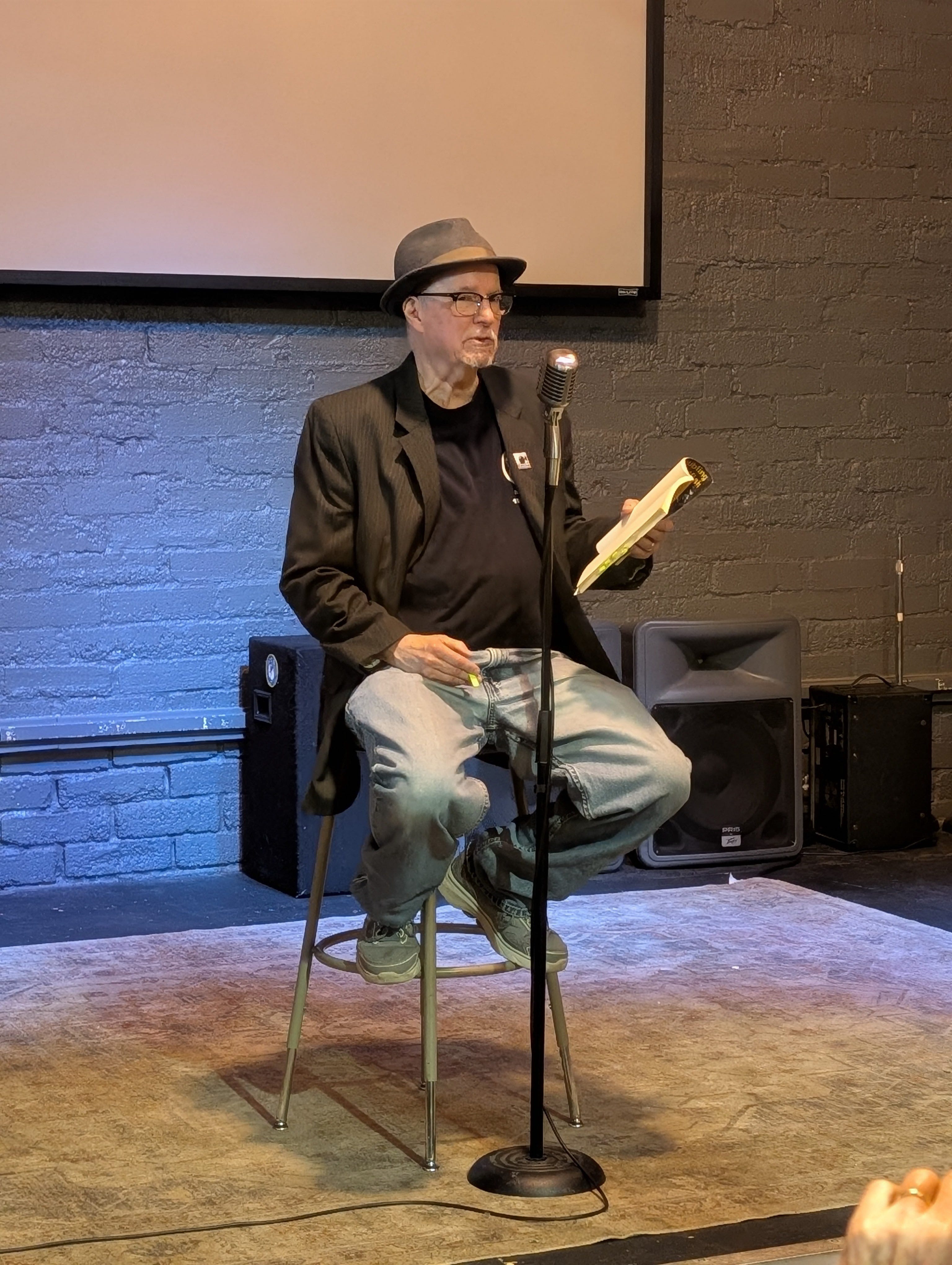
Corey Mesler reading at the Black Tulip Press3 pop-up market March 14 at Memphis’s Flyway Brewery.
Visit Burke’s Book Store in Memphis, or online. It’s there with Sun Studio, Elmwood Cemetery, and Gus’s World Famous Fried Chicken as some of my favorite places in town.
Meffis is Junior Ray for Memphis. There are many ways to say the city’s name, of course. You can swap vowels (a la M-i-m…), remove them altogether (Mphs), even add a random consonant (Melmphis). Doesn’t matter to us. Whatever it is, we’ve been called worse.
Black Tulip Press is an online Memphis-based bookseller and small press publisher. Check it out for signed copies and first editions.
"Peel the paint right off a neighbor’s clapboard"--that's good.
Yum